Living in Charleston SC: What Buyers Should Know Before Making a Move
August 11, 2026
August 11, 2026
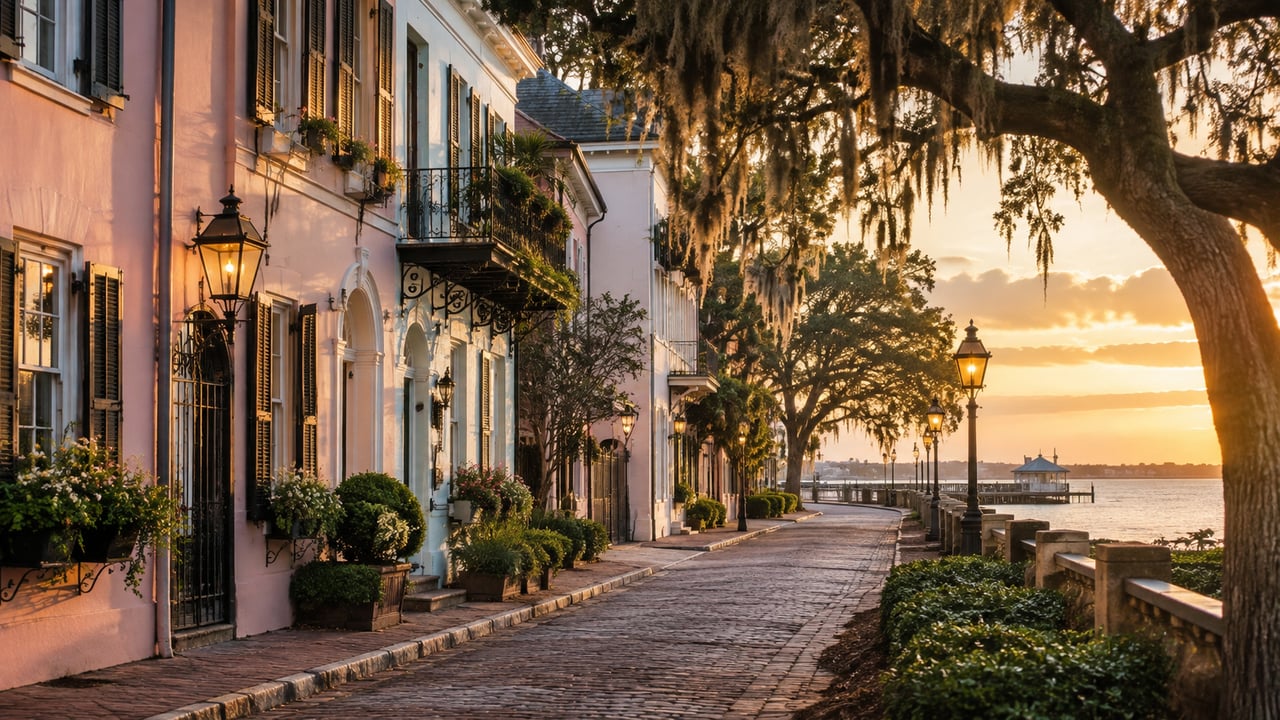
There is a reason so many people begin searching for homes for sale in Charleston SC after just one visit. Charleston has a way of staying with you. It is the glow of gas lanterns along historic streets, the hush of Spanish moss over a Lowcountry lane, the salt air moving across the harbor, and the feeling that life here is both beautifully relaxed and deeply layered.
But living in Charleston South Carolina is not simply about choosing a pretty street or a home near the water. The Charleston SC real estate market is distinctive because lifestyle, location, architecture, flood considerations, commute patterns, and long-term value all intersect here. For buyers considering a move to the Lowcountry, understanding those nuances is essential.
One of the most important things to know when moving to Charleston SC is that each neighborhood offers a different rhythm.
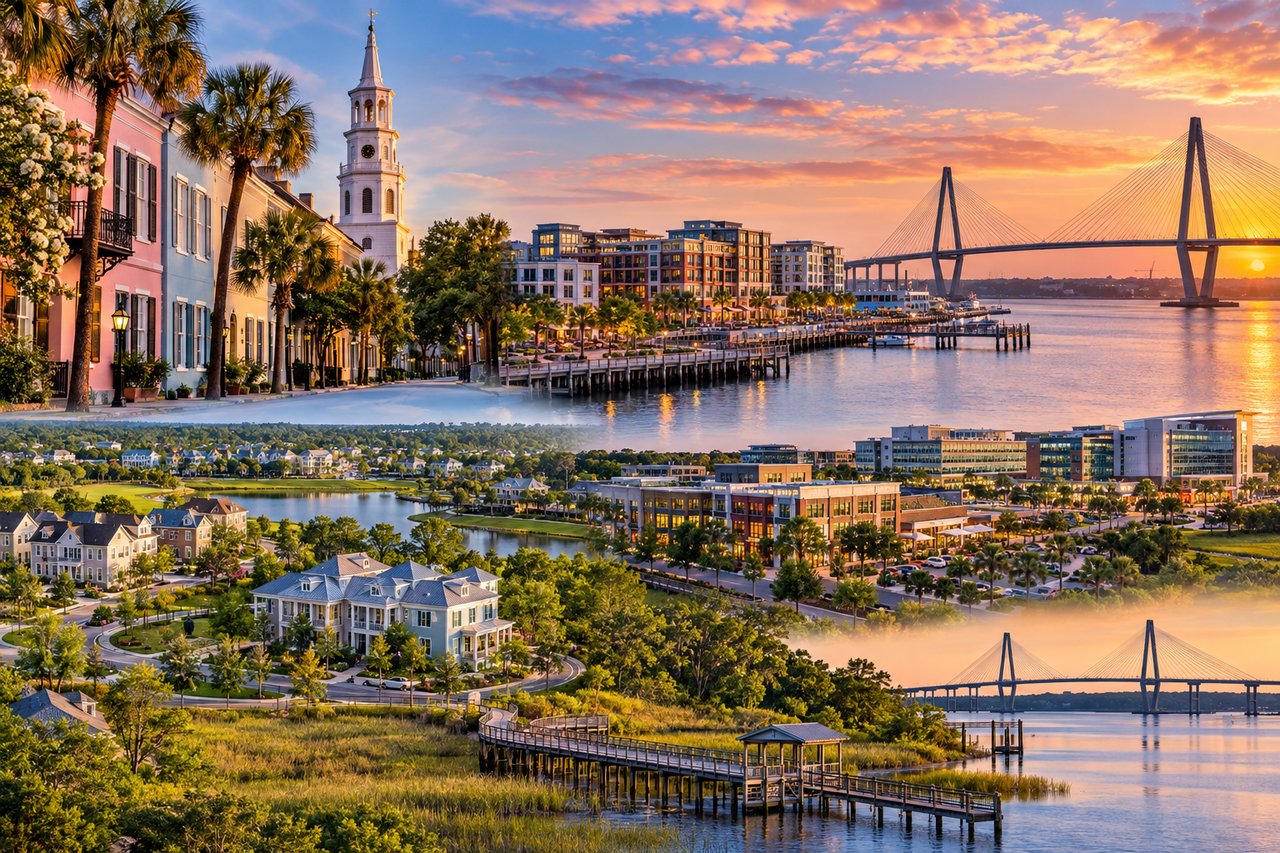
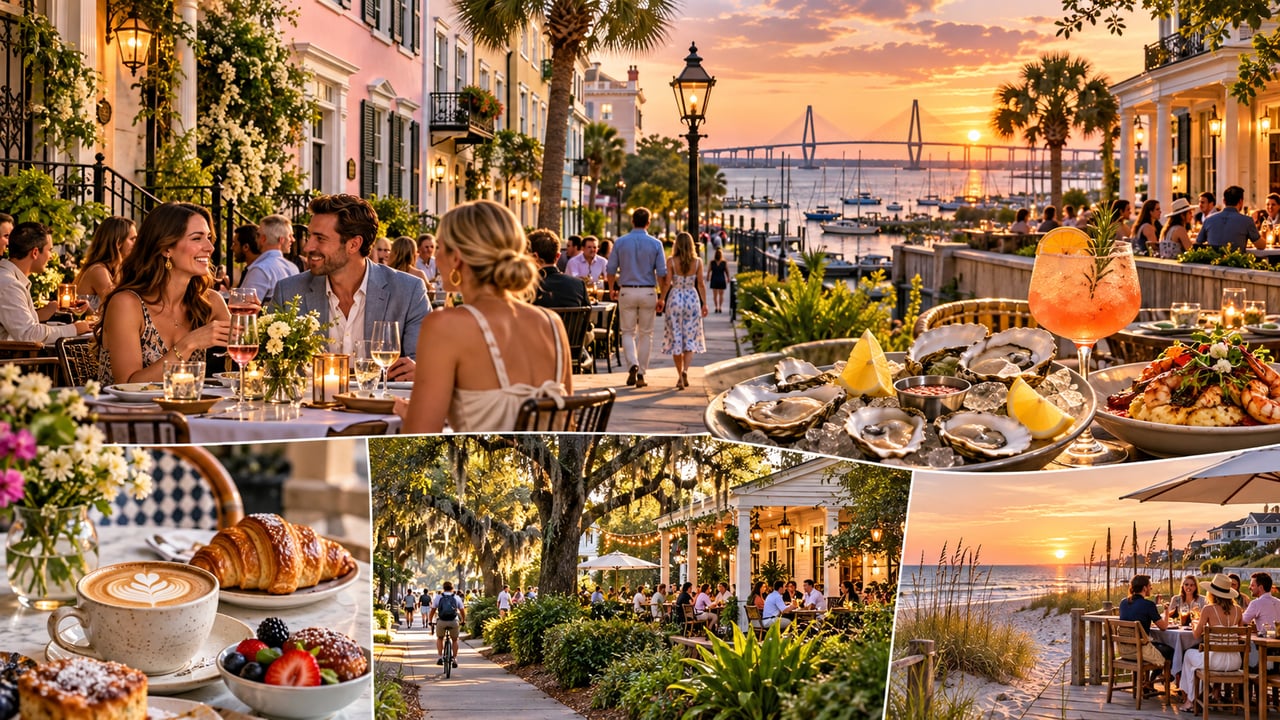
Downtown Charleston appeals to buyers drawn to historic homes, walkable dining, art galleries, boutique shopping, and architectural character. Areas such as South of Broad, Harleston Village, Ansonborough, Cannonborough-Elliotborough, and Wagener Terrace each have their own personality. Some feel quiet and residential, while others place you closer to restaurants, nightlife, and the energy of the peninsula.
Mount Pleasant offers a different kind of Lowcountry lifestyle. Buyers searching for Mount Pleasant homes for sale often want access to strong neighborhood amenities, proximity to beaches, newer construction options, and an easier connection to Sullivan’s Island, Isle of Palms, and downtown Charleston. Old Village has a historic coastal feel, while areas like I’On, Park West, and Carolina Park offer planned-community conveniences.
Daniel Island real estate attracts buyers looking for a polished, master-planned environment with parks, trails, schools, dining, and a strong sense of neighborhood structure. Johns Island homes for sale tend to appeal to buyers who want more space, mature trees, newer communities, and a quieter pace while still remaining connected to Charleston.
Then there are the barrier islands. Sullivan’s Island, Isle of Palms, and Folly Beach each offer a different version of coastal living, from refined beach cottages and oceanfront homes to surf-town energy and vacation-oriented properties.
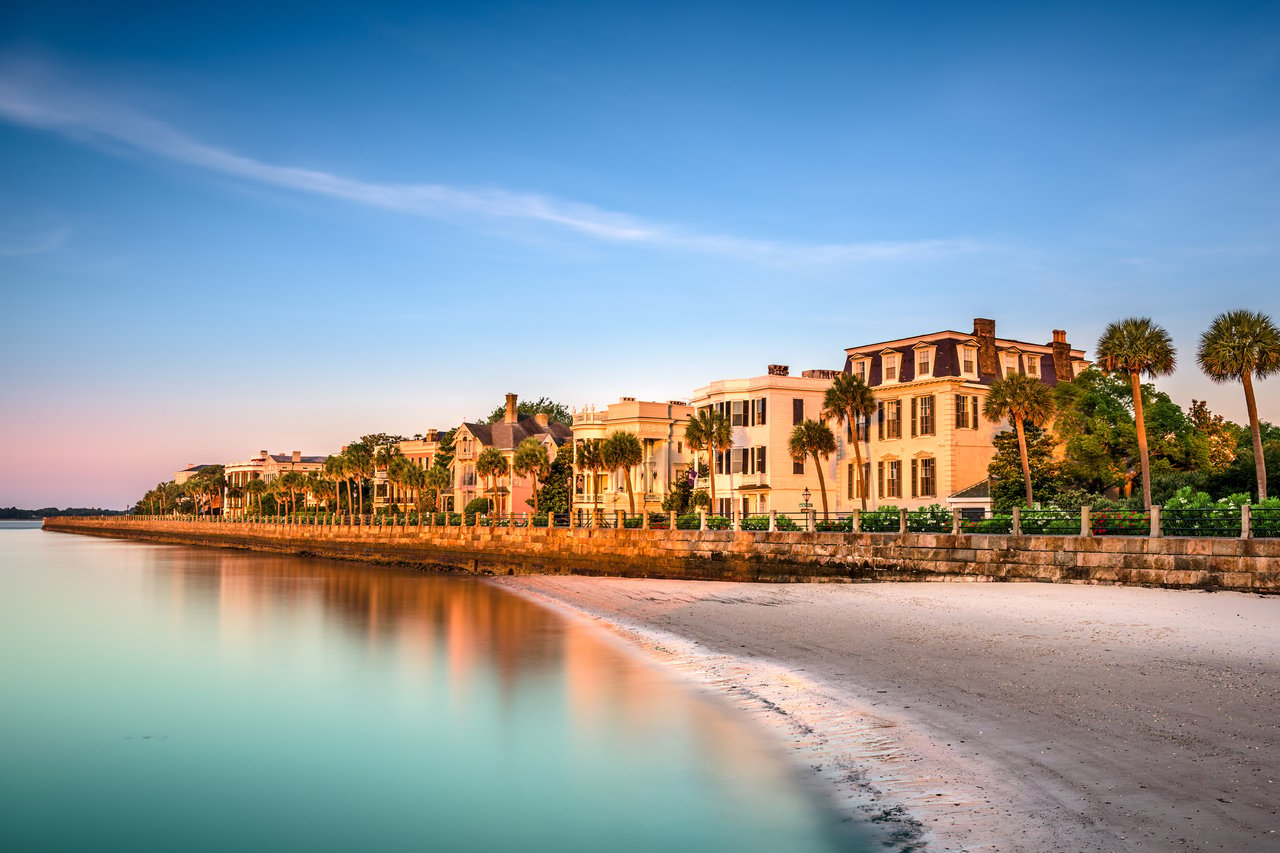
Historic homes in Charleston SC are among the most beautiful properties in the country. Wide piazzas, heart pine floors, original fireplaces, walled gardens, and detailed millwork can make a home feel irreplaceable. Yet historic ownership often requires a thoughtful approach.
Buyers should understand that renovations, exterior changes, permitting, and preservation guidelines may affect what can be done to a property. This is especially important downtown, where architectural review, historic district rules, and older building systems can influence cost, timeline, and design options.
The appeal is significant, but so is the responsibility. A historic Charleston home is not just a purchase; it is stewardship.
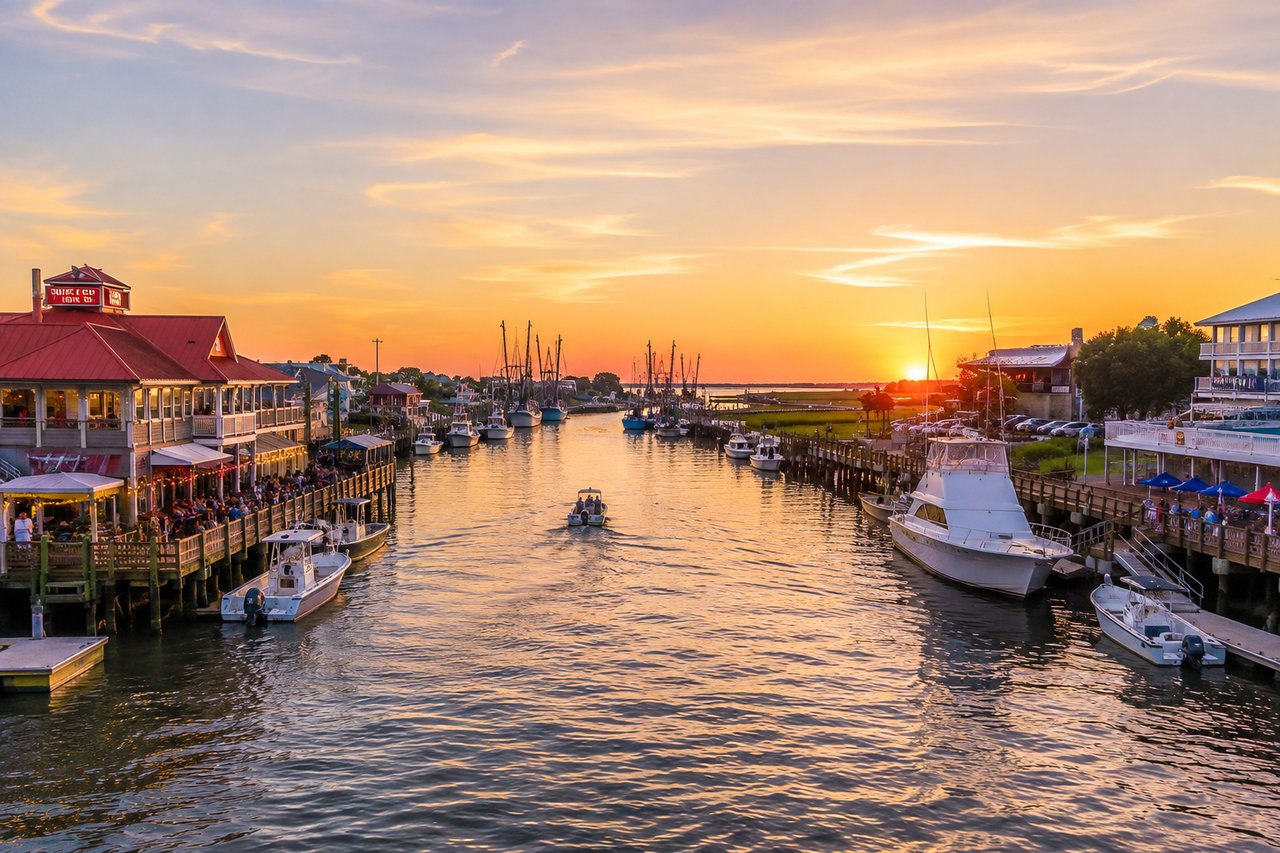
Waterfront homes in Charleston SC are some of the most desirable properties in the Lowcountry. Marsh views, tidal creeks, deepwater docks, and harbor breezes are central to the Charleston lifestyle. Still, buyers should approach coastal property with clear eyes.
Flood zones, elevation, drainage, insurance, wind coverage, and future maintenance should all be reviewed carefully. The City of Charleston notes that lenders often require flood insurance for structures located within Special Flood Hazard Areas, and flood insurance availability may involve the National Flood Insurance Program.
This does not mean buyers should avoid waterfront or low-lying areas. It means they should evaluate each property with the right information. In Charleston, two homes just a few blocks apart can have very different flood profiles, insurance considerations, and renovation requirements.
Charleston luxury real estate continues to attract buyers who see the city as both a lifestyle destination and a long-term real estate market. Demand is supported by the area’s beauty, culture, dining, universities, medical institutions, port activity, tourism, and steady relocation interest.
However, investors should be careful not to make assumptions based on national trends or casual conversations. Short-term rental rules in Charleston are highly location-specific. The City of Charleston separates short-term rental eligibility into categories that differ by location, including areas on the peninsula, off the peninsula, and within certain overlay zones.
That means an investor considering a downtown condo, a James Island cottage, or a beach-area property should verify current zoning, permitting rules, HOA restrictions, insurance costs, and rental regulations before moving forward.
A successful Charleston home search begins with more than bedroom count and budget. It starts with lifestyle.
Do you want to walk to dinner downtown or have room for a boat? Do you prefer a historic home with character or newer construction with lower maintenance? Is beach access more important than commute time? Are you focused on primary residence comfort, long-term resale strength, rental potential, or a combination of all three?
The right answer may lead one buyer to Mount Pleasant, another to Daniel Island, another to Johns Island, and another to a historic single house downtown. Charleston rewards buyers who understand the details before they fall in love with the porch, the view, or the street.
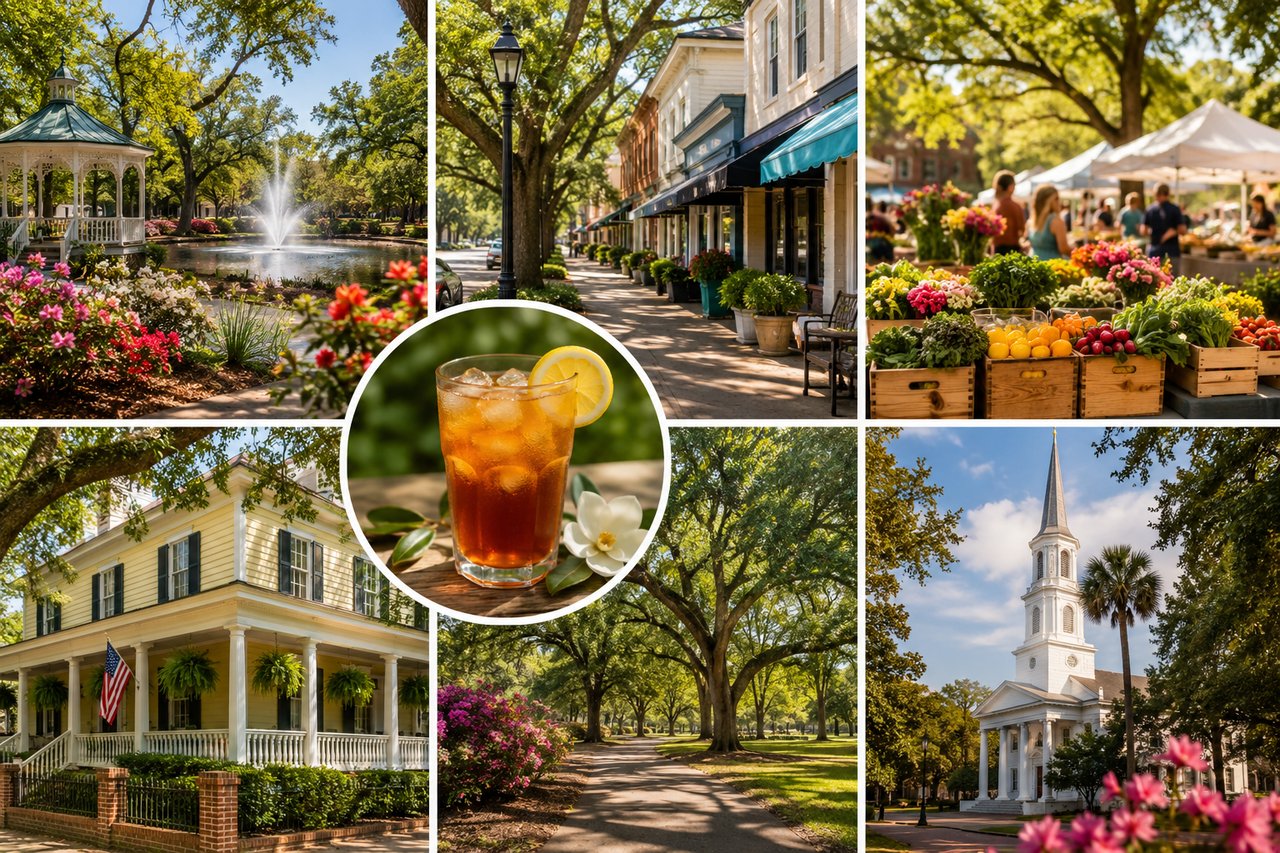
Living in Charleston South Carolina offers a rare blend of coastal beauty, architectural depth, cultural richness, and neighborhood identity. From historic homes in Charleston SC to waterfront homes along the marsh, from Mount Pleasant homes for sale to Daniel Island real estate and Johns Island homes for sale, the Lowcountry offers many ways to live well.
The key is knowing which version of Charleston fits your life, your finances, and your long-term goals.
If you are thinking about buying, selling, or investing in the Charleston area, Three Real Estate can help you explore the market with local insight, thoughtful guidance, and a clear understanding of how lifestyle and value come together in the Lowcountry.
Stay up to date on the latest real estate trends.




You’ve got questions and we can’t wait to answer them.
Get In Touch With Our Team To Learn More
677 King St, STE 315 Charleston, SC 29403